
Funder wisdom.
Candid know-how.
GrantCraft is now Candid Learning for Funders. Combining the practical wisdom of funders worldwide with our expertise to improve the practice of philanthropy.
-
Link to Climate justice in the field: An interview with the Hive Fund
 Climate justice in the field: An interview with the Hive Fund
 -
Link to Climate Justice in the field: An interview with the Donors of Color Network
 Climate Justice in the field: An interview with the Donors of Color Network Though the growing climate crisis makes headlines every day, its enormity and complexity can be overwhelming to donors who often struggle to know where to begin and how to devise equitable strategies to address its impacts. This often prevents funders from engaging, but it doesn’t have to be that way.
 -
Link to Getting from “no” to “yes” for climate justice
Getting from “no” to “yes” for climate justice
-
Link to A Just Transition for philanthropy: Equity means moving more money to frontline communities
 A Just Transition for philanthropy: Equity means moving more money to frontline communities
 -
Link to GlassPockets at sunset: Reflections from working at the intersection of power and light
 GlassPockets at sunset: Reflections from working at the intersection of power and light
 -
Link to Centering equity and justice in climate philanthropy
Centering equity and justice in climate philanthropy
-
Link to Understanding the Impact of Apartheid on South African Social Investment
Understanding the Impact of Apartheid on South African Social Investment
-
Link to ¿Que es el fortalecimiento institucional?
¿Que es el fortalecimiento institucional?
- Link to Benefits of Community Organizing
- Link to Marginalization of Indigenous Peoples
-
Link to Deciding Together
 Deciding Together Shifting Power and Resources Through Participatory Grantmaking
 - Link to Methods of Community Organizing
-
Link to What Is Capacity Building and Why Is It Important?
What Is Capacity Building and Why Is It Important?
-
Link to Mapping Change
-
Link to Conducting a Meaningful Site Visit
Conducting a Meaningful Site Visit
-
Link to From scarcity to abundance
 From scarcity to abundance
 -
Link to What is sparking joy for you from the progress you see being made by Pledge participants?
 What is sparking joy for you from the progress you see being made by Pledge participants?
 -
Link to What are the elements of the Climate Funders Justice Pledge?
 What are the elements of the Climate Funders Justice Pledge?
 -
Link to Why is demographic data about the leadership of organizations important?
 Why is demographic data about the leadership of organizations important?
 -
Link to What are some common misconceptions that new funders have about climate funding or the Pledge?
 What are some common misconceptions that new funders have about climate funding or the Pledge?
 -
Link to How is the Donors of Color Network and its pledge aiming to improve philanthropy?
 How is the Donors of Color Network and its pledge aiming to improve philanthropy?
 -
Link to Climate Justice in the field: An interview with the Donors of Color Network
 Climate Justice in the field: An interview with the Donors of Color Network
 -
Link to Climate justice in the field: An interview with the Hive Fund
Climate justice in the field: An interview with the Hive Fund
-
Link to What is the importance of working at the intersection of gender and climate?
 What is the importance of working at the intersection of gender and climate?
What's on Candid Learning for Funders?
Candid Learning for Funders develops and curates resources across different strategies, issues, languages, and formats. Come explore with us.
Strategies
Issues
Candid Features
Targeted data driven tools to deepen funder knowledge.
-
Link to Philanthropy’s response to the war in Ukraine
 Philanthropy’s response to the war in Ukraine
 -
Link to Philanthropy and COVID-19: Examining giving in 2021
 Philanthropy and COVID-19: Examining giving in 2021
 -
Link to Candid Launches New Dashboard to Demystify the U.S. Social Sector
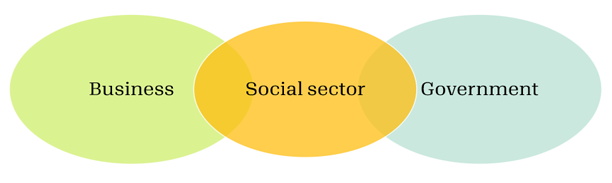 Candid Launches New Dashboard to Demystify the U.S. Social Sector
